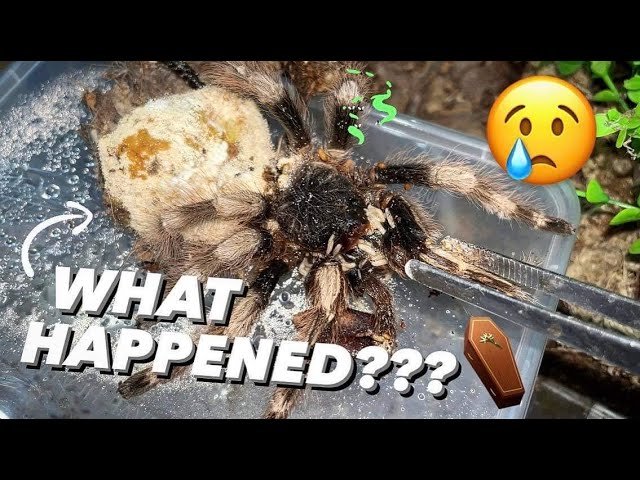
We are saddened to share that our tarantula never ate since we got her and has passed away. We were heartbroken to discover her covered in mold.
Tarantula Tragedy: Our Heartbreaking Journey with a Neglected Pet
Introduction: The Shocking Reality of Neglecting Pet Tarantulas
Ladies and gentlemen, today’s story is one that breaks our hearts. Our beloved tarantula, a Nhandu coloratovillosus – also known as the Brazilian Black & White – sadly perished due to my negligence. This heartbreaking incident serves as a stark reminder of the responsibilities that come with caring for exotic pets like tarantulas.
- The sudden realization of our neglect
- Understanding the importance of proper care for tarantulas
- The devastating consequences of mold infestation
The Start of Our Tarantula Journey: A Promise of Care and Love
When I first laid eyes on our beautiful Nhandu coloratovillosus, I was captivated by her striking appearance. With her sleek black and white pattern, she was a sight to behold. We promised to provide her with the utmost care and attention, ensuring that she thrives in her new environment.
Neglect Creeps In: Ignoring Signs of Trouble
As days turned into weeks, we noticed our tarantula becoming increasingly lethargic. She refused to eat, and her once vibrant movements slowed to a crawl. Despite these glaring signs of distress, we foolishly brushed them off, attributing her behavior to a mere phase.
The Dreaded Discovery: A Tragic End to a Beautiful Creature
One fateful day, we found our tarantula motionless, covered in a thick layer of mold. It was a gut-wrenching sight, a stark reminder of our failure to provide her with the care she desperately needed. We had let her down, and the consequences were irreversible.
Learning from Our Mistakes: A Tribute to Our Late Tarantula
In the aftermath of this tragedy, we have vowed to educate ourselves and others on the proper care of tarantulas. We cannot bring back our lost companion, but we can honor her memory by spreading awareness and knowledge on responsible pet ownership.
Conclusion
In closing, our journey with our beloved tarantula has been one of sorrow and regret. We hope that by sharing our story, we can prevent others from making the same mistakes we did. Let us cherish and care for our exotic pets with the love and attention they deserve.
FAQs: Expert Answers to Your Burning Questions
-
How often should I feed my tarantula?
- Tarantulas should be fed once or twice a week, depending on their size and species.
-
What are the signs of a mold infestation in a tarantula enclosure?
- Look out for white, fuzzy patches, musty odors, and a decline in your tarantula’s activity level.
-
Can mold be harmful to tarantulas?
- Yes, mold can be extremely dangerous to tarantulas, leading to respiratory issues and ultimately death if left untreated.
-
What steps can I take to prevent mold in my tarantula’s enclosure?
- Ensure proper ventilation, limit moisture levels, and regularly clean the enclosure to prevent mold growth.
-
Where can I find reliable resources for tarantula care tips?
- Visit reputable exotic pet websites, consult with experienced tarantula owners, or reach out to local exotic pet stores for guidance.