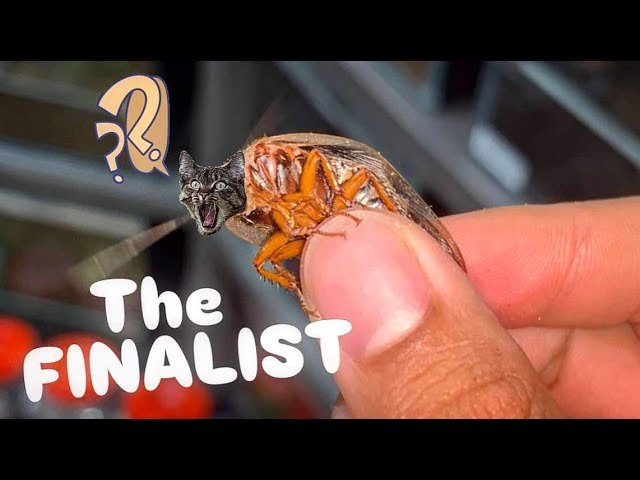
Are you tired of feeding your tarantulas certain prey that no longer meet their nutritional needs? Find out why you should stop feeding these particular insects to your beloved pets in this blog post.
No More Feeding My Tarantulas These Guys Anymore!
Introduction
Hey there, tarantula enthusiasts! Have you ever wondered about the right diet for your furry eight-legged friends? Well, it’s time to delve into the dos and don’ts of feeding your tarantulas. In this article, we’ll discuss why certain prey items might not be suitable for your beloved arachnids and what alternative options you can explore.
Why Certain Prey Items Are a No-Go
Feeding your tarantulas the wrong prey items can have negative consequences on their health and well-being. Let’s take a closer look:
- Crickets: While crickets are a common choice for feeding tarantulas, they can be aggressive and may harm your delicate pets during feeding.
- Mealworms: Mealworms have hard exoskeletons that can be difficult for tarantulas to digest, leading to potential health issues.
- Roaches: While roaches are a good source of nutrition, some species may emit foul odors that can stress out your tarantulas.
Alternative Feeding Options
Now that you know what not to feed your tarantulas, let’s explore some alternative options that are safer and healthier for them:
- Dubia Roaches: Dubia roaches are a popular choice among tarantula owners due to their soft exoskeletons and high nutritional value.
- Red Runners: These fast-moving insects are a great source of protein and are less likely to stress out your tarantulas during feeding.
- Silkworms: Silkworms are soft-bodied and easy to digest, making them an ideal treat for your tarantulas.
- Hornworms: With their high moisture content, hornworms can help keep your tarantulas hydrated while providing essential nutrients.
Conclusion
In conclusion, being mindful of what you feed your tarantulas is crucial for their overall health and longevity. By avoiding certain prey items and opting for safer alternatives, you can ensure that your arachnid companions thrive in captivity. Remember, a well-balanced diet is key to keeping your tarantulas happy and healthy!
FAQs
- Can tarantulas eat fruits and vegetables? Yes, some tarantula species can benefit from occasional fruits and vegetables in their diet.
- How often should I feed my tarantulas? Generally, adult tarantulas can be fed once or twice a week, while juveniles may require more frequent feedings.
- Are there any toxic insects that tarantulas should avoid eating? Yes, tarantulas should not be fed toxic insects such as fireflies or beetles.
- Should I dust the prey items with supplements before feeding them to my tarantulas? It is not necessary to dust prey items with supplements, as tarantulas can get all their nutrients from a varied diet.
- Is it normal for tarantulas to refuse food at times? Yes, tarantulas may fast for various reasons, such as molting or environmental factors. It’s essential to monitor their behavior and adjust feeding schedules accordingly.
Content is created for educational and entertainment purposes only. Visit the 2nd channel, Beyond the Lair, for more content. Explore merch at the store Exotics Lair on Teespring. Follow on Facebook at @XoticsLair. Stay updated on Instagram at @exoticslair and @exoticslair_gallery. Connect on Twitter at @ExoticsLair. Find on TikTok at @exotics.lair. Support on Patreon at Exotics Lair.